
Understanding Split Air Conditioners: A Comprehensive Guide
Discover the benefits of split air conditioners in our comprehensive guide. Learn how they work, their advantages, and key considerations for choosing the right system for your home or office.
TIPS
Daniel Pui
6/23/20243 min read
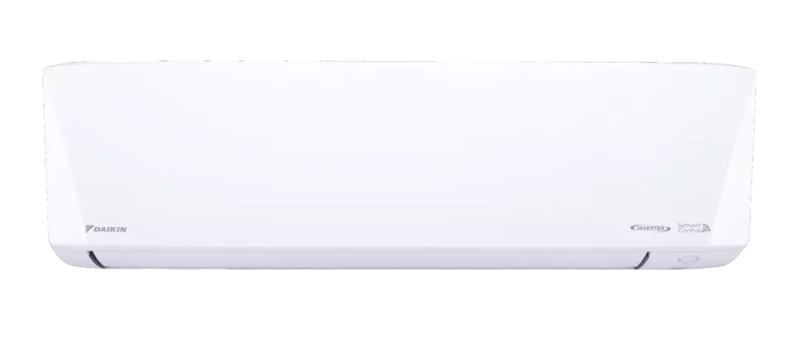

Split air conditioners have become increasingly popular for their efficiency, flexibility, and ease of installation. Whether you're considering a new air conditioning system for your home or office, understanding how split air conditioners work and their benefits can help you make an informed decision. In this guide, we'll delve into the features, advantages, and considerations of split air conditioners.
What is a Split Air Conditioner?
A split air conditioner is a type of air conditioning system that consists of two main components: an indoor unit and an outdoor unit. These units work together to cool a room or a designated area.
Components:
1. Indoor Unit: Mounted inside the room, this unit contains the evaporator coil and the air filter. It's responsible for blowing cool air into the room.
2. Outdoor Unit: Placed outside the building, this unit houses the compressor, condenser coil, and expansion valve. It dissipates the heat absorbed from the indoor unit to the outside air.
How Does a Split Air Conditioner Work?
The split air conditioner works by transferring heat from the inside of a room to the outside environment. Here's a step-by-step breakdown of the process:
1. Refrigerant Cycle: The refrigerant absorbs heat from the indoor air as it passes through the evaporator coil.
2. Heat Exchange: The heated refrigerant is then pumped to the outdoor unit, where it releases the absorbed heat to the outside air via the condenser coil.
3. Cooling Cycle: The cooled refrigerant returns to the indoor unit, and the cycle repeats, continuously cooling the indoor space.
Benefits of Split Air Conditioners
Split air conditioners offer numerous advantages that make them a preferred choice for many homeowners and businesses:
1. Energy Efficiency
Split air conditioners are known for their high energy efficiency. The absence of ducts (which can lose significant energy) and the ability to cool specific zones or rooms help reduce overall energy consumption. Many modern split systems come with inverter technology, which adjusts the compressor speed based on the cooling demand, further enhancing energy efficiency.
2. Quiet Operation
The indoor unit of a split air conditioner operates quietly, making it ideal for bedrooms, offices, and other spaces where noise can be a distraction. The noisier components, such as the compressor, are housed in the outdoor unit, minimising indoor noise levels.
3. Flexibility and Customisation
Split air conditioners offer flexibility in installation and usage. Multiple indoor units can be connected to a single outdoor unit, allowing for customized temperature control in different rooms or zones. This feature is particularly useful in larger homes or commercial spaces.
4. Easy Installation
Installing a split air conditioner is generally simpler and less invasive compared to central air conditioning systems. There's no need for extensive ductwork, which makes it an attractive option for existing buildings or spaces with limited installation options.
5. Improved Air Quality
Split air conditioners come equipped with filters that help remove dust, allergens, and other airborne particles, improving indoor air quality. Some models also feature advanced filtration systems that can eliminate bacteria and viruses, promoting a healthier living environment.
Considerations When Choosing a Split Air Conditioner
While split air conditioners offer many benefits, there are a few considerations to keep in mind when selecting the right system for your needs:
1. Size and Capacity: Choose a unit with the appropriate cooling capacity for the size of the room. An undersized unit may struggle to cool the space effectively, while an oversized unit can lead to inefficient operation and higher energy costs.
2. Installation Location: Ensure that the outdoor unit is placed in a well-ventilated area with enough clearance for proper airflow. The indoor unit should be mounted at a height that allows for optimal air distribution.
3. Maintenance: Regular maintenance is crucial for the efficient operation of a split air conditioner. Clean or replace filters as needed and schedule professional servicing to keep the system running smoothly.
4. Initial Cost: While split air conditioners can be more expensive to purchase and install compared to window units, their long-term energy savings and performance benefits often outweigh the initial investment.
Conclusion
Split air conditioners are an excellent choice for efficient, quiet, and customizable cooling solutions. With their energy-saving features and improved air quality benefits, they offer a comfortable indoor environment for both residential and commercial spaces. By considering the factors mentioned above, you can select the right split air conditioner to meet your specific cooling needs.
If you have any questions or need assistance in choosing the perfect split air conditioner for your space, feel free to reach out to our team of experts. We're here to help you achieve the ultimate in cooling comfort
© 2024. All rights reserved.
Tradespan Sdn Bhd.
46, Jalan Presiden F U1/F,
Accentra Glenmarie,
40150 Shah Alam,
Selangor
03-55699228
tradespan2000@yahoo.com