
How to choose the right air conditioner in Kuala Lumpur
Your complete guide to picking the right air cond for your home
TIPS
Daniel Pui
6/16/20243 min read
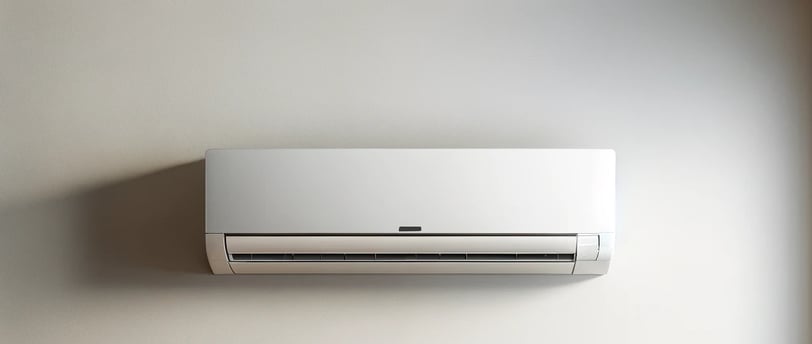
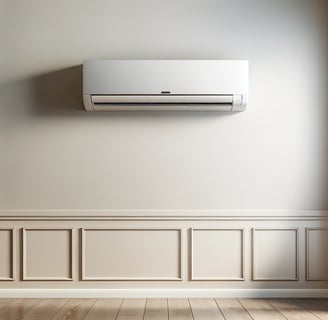
Choosing the right air conditioner (or air cond) is a big decision to make sure that you're comfortable at home with all your needs satisfied especially value for money. With various types, sizes, and features available, making the right choice can seem difficult but this guide will help you navigate through the essential factors to consider when picking an air conditioner.
Step 1 - Understand the Different Types of Air Conditioners
There are several types of air conditioners, each suitable for different needs and spaces:
1) Split Air Conditioners: Comprising an indoor and an outdoor unit, split air conditioners are efficient and quieter, making them great for cooling multiple rooms. This is the type that most houses, apartments and small/medium offices use.
2) Window Air Conditioners: A bit old-fashioned but ideal for single rooms, these units are installed in a window and are relatively affordable and easy to install.
3) Portable Air Conditioners: These units are freestanding and can be moved from room to room. They are a good option for rooms with windows that can't accommodate a window unit. We don't recommend this as it won't keep you as cool as the other options.
Step 2 - Determine the Size You Need
The size of the air conditioner is crucial for efficiency and comfort. An undersized unit will struggle to cool the space, while an oversized unit will cycle on and off too frequently, wasting energy. To determine the right size:
1) Measure the Room: Calculate the square footage of the area you want to cool.
2) Check BTU Ratings: Air conditioners are rated by BTUs (British Thermal Units), which indicate the cooling capacity. As a general rule:
- 100-200 sq. ft.: 6,000-13,000 BTUs
- 200-400 sq. ft.: 13,000-25,000 BTUs
- 400-600 sq. ft.: 25,000-38,000 BTUs (on the upper end you might need two split air conditioners)
Step 3 - Consider Energy Efficiency
Energy efficiency is a critical factor in reducing your electricity bills and environmental impact. Look for:
1) Energy Star Certification: Products with this certification meet energy efficiency guidelines set by the U.S. Environmental Protection Agency.
2) EER (Energy Efficiency Ratio): A higher EER indicates a more efficient unit. Aim for an EER of 10 or higher.
Step 4 - Check Noise Levels
The noise level of an air conditioner can affect your comfort, especially in bedrooms or living areas. Check the decibel rating:
1) 40-50 dB: Quiet
2) 50-60 dB: Moderate noise
3) 60+ dB: Loud
Step 5 - Inverter vs. Non-Inverter Units
Understanding the difference between inverter and non-inverter air conditioners can help you make an informed decision:
1) Inverter Air Conditioners: These units have a variable speed compressor that adjusts its speed according to the cooling demand. This results in more efficient energy use, quieter operation, and more consistent temperature control. Although they are more expensive upfront, the long-term energy savings can make them a cost-effective choice. We recommend this as you recoup your investment in 2/3 years!
2) Non-Inverter Air Conditioners: These units have a fixed speed compressor that turns on and off to maintain the desired temperature. They are usually cheaper to purchase but can lead to higher energy consumption and less stable temperature control.
Step 6 - Additional Features
Modern air conditioners come with various features that can enhance convenience and comfort:
1) Programmable Thermostats: Allow you to set the temperature according to your schedule.
2) Air Purification: Some units have filters to improve indoor air quality.
3) Smart Technology: Wi-Fi-enabled units can be controlled via smartphone apps.
Step 7 - Installation and Maintenance
Consider the ease of installation and maintenance:
1) Window and portable units are typically easy to install yourself.
2) Split and central systems may require professional installation.
3) Regular maintenance, like cleaning filters and checking refrigerant levels, is essential for efficient operation.
Step 8 - Budget Considerations
Air conditioners vary widely in price - so be prepared to pay more for air conditioners with more features!
1) Split air conditioners: RM1,200-RM8,000
2) Window air conditioners: RM1,000-RM2,000
3) Portable air conditioners: RM 1,200-RM2,500
Balance your budget with the features and capacity you need.
Conclusion
Picking the perfect air conditioner involves assessing your specific needs, understanding the different types available, and considering factors like size, efficiency, noise, inverter technology, and additional features. By taking the time to evaluate these elements, you can ensure that you choose an air conditioner that will keep you cool and comfortable while also being energy-efficient and cost-effective.
Once you know what are your key factors, we can help you recommend the right brand and how we can get it installed as soon as possible so you can enjoy the cool breeze.
Stay cool and stay relaxed!

© 2024. All rights reserved.
Tradespan Sdn Bhd.
46, Jalan Presiden F U1/F,
Accentra Glenmarie,
40150 Shah Alam,
Selangor
03-55699228
tradespan2000@yahoo.com